
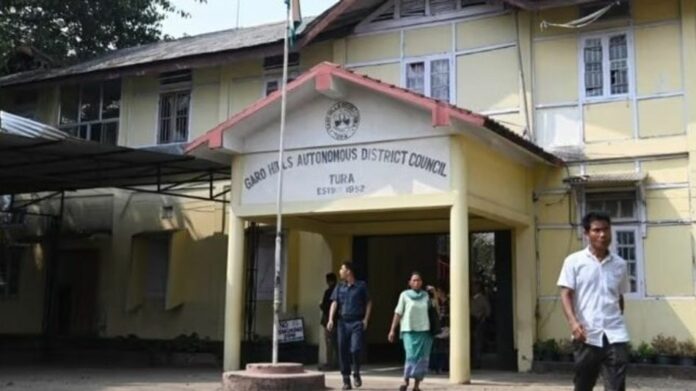
Shillong, April 22: The Meghalaya government is preparing to introduce a Scheduled Tribe (ST)-exclusive electoral roll for elections to the Garo Hills Autonomous District Council, in a move aimed at strengthening indigenous control over governance in Sixth Schedule areas.
Officials said the proposal seeks to restrict voting in GHADC elections to ST communities, aligning the electoral framework with the constitutional objective of safeguarding tribal autonomy. The initiative follows long-standing demands from indigenous groups in the Garo Hills, who have raised concerns over dilution of tribal political authority under the current system.
The GHADC functions under the Sixth Schedule of the Constitution of India, which grants administrative autonomy to tribal regions. Authorities said the proposed reform is intended to reinforce these protections, particularly in areas such as land governance, customary practices and traditional institutions like the Nokma system.
By limiting both the electorate and leadership to ST communities, the government aims to strengthen safeguards related to land ownership and transfer—issues central to the socio-political fabric of the region.
Sources indicated that the move is also designed to address concerns over demographic changes and representation, which have periodically led to tensions. The proposed electoral roll is expected to reduce disputes linked to governance rights and land control.
If implemented, the reform could set a precedent for other autonomous district councils in Meghalaya, signalling a broader effort to align local governance structures more closely with constitutional provisions under Article 244(2).
Details regarding the timeline and legal process for rolling out the new electoral system are yet to be announced.
