
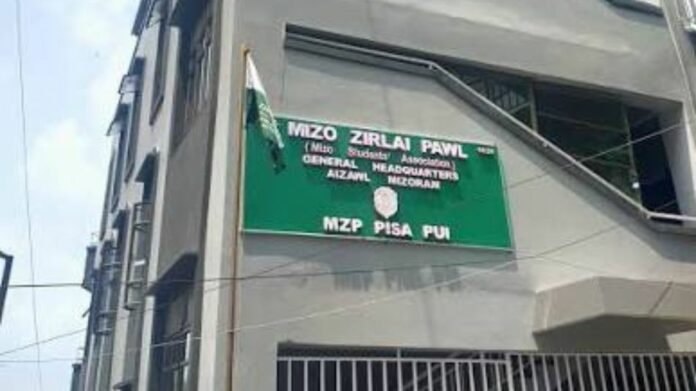
The Mizo Zirlai Pawl (MZP), Mizoram’s influential student body, on Tuesday challenged Chief Electoral Officer Garima Gupta’s assertion that the ongoing Special Intensive Revision (SIR) 2026 had not detected any abnormal growth in the state’s electoral roll, alleging substantial increases in voter numbers in several Chakma-majority villages.
Addressing reporters in Aizawl, MZP leaders said their analysis of the draft electoral roll published on July 4 revealed unusually high growth in the number of electors in Chakma-dominated villages in southern Mizoram, contradicting the assessment made by the Chief Electoral Officer.
The organisation claimed that voter numbers in Chakma-majority villages had increased by between 50 and 376 per cent, while Mizo-majority villages in the same region recorded comparatively lower growth of 10 to 20 per cent.
Citing Sumasumi village in Lunglei district, the MZP said the electorate had risen from 52 in the 2005 electoral roll to 248 in the latest draft, representing a 376.92 per cent increase.
According to the student body, seven Chakma-majority villages recorded voter growth of more than 200 per cent, while 16 villages registered increases exceeding 100 per cent. It said its analysis covered 95 villages, with more than 30 showing increases of over 50 per cent.
Questioning the Election Department’s findings, the MZP alleged that the SIR exercise had not been monitored adequately and urged Chief Electoral Officer Garima Gupta to personally supervise the revision process until all discrepancies are addressed.
The organisation also raised concerns over alleged deficiencies in electoral mapping across five Assembly constituencies and appealed to election officials to maintain strict scrutiny during the Claims and Objections period, which runs from July 4 to August 4.
The MZP’s statement came days after Gupta said the Special Intensive Revision had not revealed any abnormal increase in voter numbers or evidence of foreign nationals being included in Mizoram’s electoral rolls.
Earlier, political parties in the state resolved that names without linkage to the 2005 Special Intensive Revision records should be removed from the draft electoral rolls after due verification. They also sought thorough examination of doubtful entries in coordination with civil society organisations and non-governmental organisations.
According to the Election Department, the SIR exercise found that enumeration forms of 46,163 voters, accounting for 5.28 per cent of the 2025 electorate, could not be collected. These included 21,295 deceased voters, 13,978 who had permanently shifted, 8,333 untraceable voters, 2,248 already enrolled elsewhere and 309 electors who declined enrolment on religious grounds. The draft electoral rolls published on July 4 contain 8,28,906 electors, including 4,29,881 women voters.
