
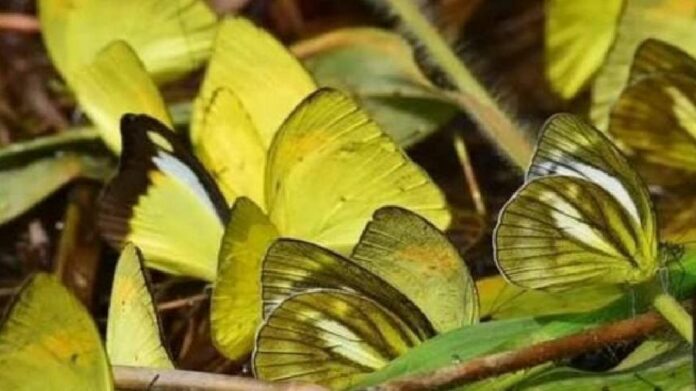
DIBRUGARH: The Dihing Patkai National Park in Assam has emerged as a significant centre of butterfly diversity, with 165 species recorded during a recent biodiversity and butterfly trail, including 37 classified as endangered.
The fourth edition of the Dihing Patkai National Park Biodiversity and Butterfly Trail was held from July 28 to 31, covering rainforest locations in the Joypur, Lakhipathar and Soraipung ranges, as well as Deomali in neighbouring Arunachal Pradesh. The trail aimed to promote biodiversity documentation, environmental awareness and conservation.
Sharing the findings on X, Assam Chief Minister Himanta Biswa Sarma said the 165 butterfly species recorded, including 37 endangered species, highlighted Dihing Patkai as a safe haven for the state’s biodiversity. He said conservation efforts were helping create habitats where rare species could continue to flourish.
Surveys conducted at different locations documented several species, with the combined documentation from the survey sites exceeding 260 butterfly species.
The Dihing Patkai landscape is recognised for its rich biodiversity. The Assam government describes the national park as a rainforest ecosystem spread across Dibrugarh and Tinsukia districts, where more than 200 butterfly species and over 200 bird species have been recorded. The park was declared a national park in 2021.
Scientific studies have also documented substantial butterfly diversity in the park. A study conducted in the Soraipung range recorded 92 butterfly species belonging to five families, including 13 species protected under various schedules of the Wildlife (Protection) Act and 11 species restricted to the Eastern Himalayan region.
The latest documentation added to the scientific understanding of Dihing Patkai’s biodiversity and highlighted the importance of continued surveys and conservation efforts in the rainforest ecosystem.
The butterfly trail also involved students, nature enthusiasts, researchers and conservationists, providing participants with field-based exposure to butterfly identification, biodiversity documentation and the role of insects in maintaining forest ecosystems.
