
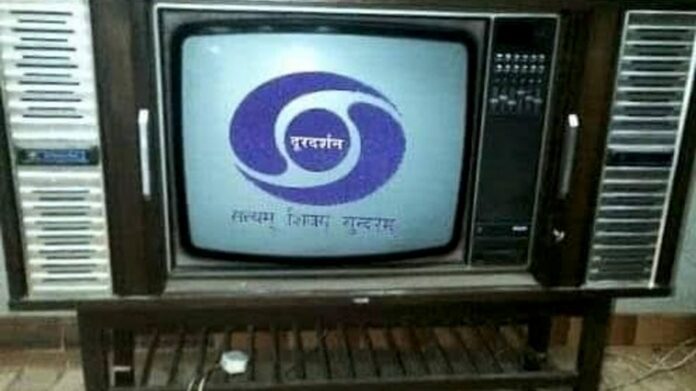
From its early black-and-white broadcasts to the digital platforms of today, television has undergone a remarkable transformation while retaining its place as a major source of information, education and entertainment. World Television Day, observed annually on November 21, recognises this enduring influence and the medium’s contribution to communication and public awareness.
The United Nations proclaimed the day in 1996 to highlight television’s role in disseminating information, connecting people across geographical boundaries and shaping public opinion.
India’s television journey began on September 15, 1959, when an experimental broadcast was conducted in Delhi. What started as a modest service with limited coverage gradually developed into one of the country’s most influential communication platforms.
Several developments shaped the growth of broadcasting in the country. Daily television services began in 1965, followed by the launch of the agricultural programme Krishi Darshan in 1967. In 1976, Doordarshan separated from All India Radio and became an independent broadcasting entity under the Ministry of Information and Broadcasting.
The arrival of private satellite television marked another turning point in 1992, when Zee TV was launched, introducing a new phase of competition and entertainment in the Indian television industry.
Over the decades, advances in broadcasting technology expanded television from black-and-white transmission to colour programming, satellite channels and digital platforms. Despite the emergence of newer forms of media, television continues to serve as an important medium for journalism, education, entertainment and public communication.
