
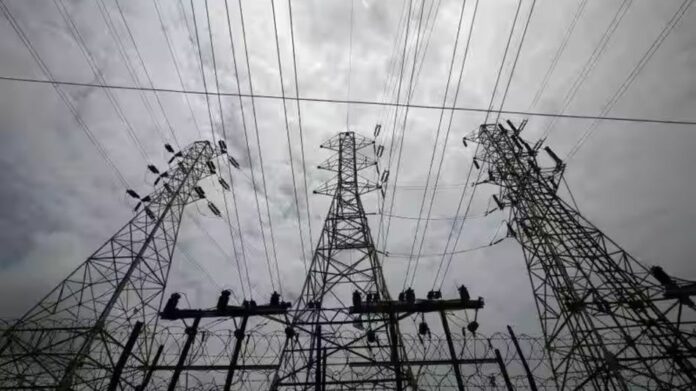
National, Jan 10: Electricity in Punjab has moved beyond being a basic service to becoming a cornerstone of dignity, livelihood and overall development, as the state government rolls out people-oriented reforms in the power sector. By combining free domestic electricity with decisive steps to strengthen power generation, the Punjab Government has reshaped the electricity landscape to ensure affordable, reliable and uninterrupted supply for households, farmers and industries alike.
A major milestone in this transformation came in 2022, when Punjab introduced free domestic electricity for households. Under the scheme, families receive up to 300 units of electricity every month at no cost. The initiative has brought significant relief to middle-class and economically weaker households struggling with rising living expenses, helping them save thousands of rupees annually. Many beneficiaries say the savings have eased financial pressure and allowed them to invest more in education and essential household needs, marking a tangible improvement in their quality of life.
The availability of free electricity has also translated into better living conditions across homes in the state. Families are now able to use fans and coolers during extreme weather, operate refrigerators and washing machines, and manage daily household activities without anxiety over electricity bills. For many residents, the scheme has not only reduced monthly expenses but has also delivered a sense of comfort and security that was previously out of reach.
Punjab’s agrarian community has equally benefited from the government’s focus on uninterrupted power supply. Recognising farmers as the backbone of the state’s economy, the government has ensured reliable electricity for paddy cultivation, particularly during critical irrigation periods. The steady supply has reduced farmers’ dependence on diesel pumps, cutting costs and improving crop outcomes. Farmers report that better power availability has led to healthier crops and lower input expenses, strengthening agricultural productivity.
In a historic move aimed at securing long-term energy stability, the Punjab Government became the first in the country to purchase a privately owned thermal power plant. The acquisition of the Goindwal Sahib thermal plant, later renamed after Shri Guru Amar Das Ji, marked a significant shift in the state’s energy strategy. By bringing the plant under state ownership, Punjab has gained greater control over power generation, reduced the cost of purchasing electricity from private players and ensured more stable pricing for consumers.
The integration of the Goindwal Sahib plant with improved management of existing power resources has helped Punjab reduce shortages and enhance supply reliability. These measures have enabled the state to meet domestic and agricultural power demands more effectively, minimising the risk of blackouts during peak seasons and reinforcing overall energy security.
Chief Minister Bhagwant Singh Mann has consistently underscored that electricity should not be treated as a luxury but as a basic right. He has stated that the government’s objective is to guarantee free electricity for households, uninterrupted supply for farmers and long-term energy security through state-owned power generation. According to the Chief Minister, affordable electricity is central to economic growth, social welfare and inclusive development.
Punjab’s evolving power model demonstrates how electricity can serve as a powerful tool for social and economic upliftment. With households saving money, farmers achieving better yields and industries benefiting from stable supply, the state’s reforms reflect a people-first approach to energy governance. By blending free electricity, robust infrastructure and public ownership of key power assets, Punjab is not only illuminating homes but also securing a brighter and more sustainable future for its people.
