
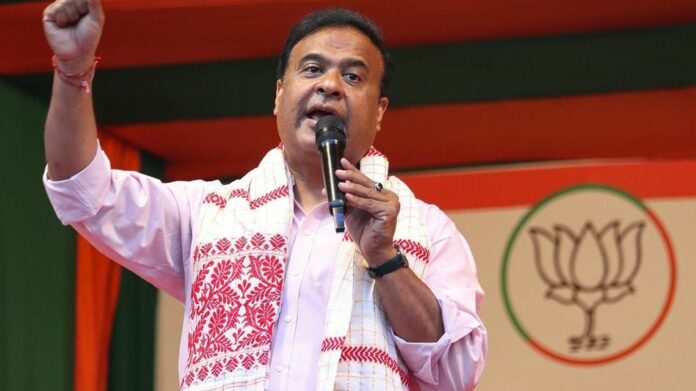
Guwahati, Feb 24: Chief Minister Himanta Biswa Sarma announced on Tuesday, February 24, that the PM Vishwakarma Scheme has made significant strides in fortifying Assam’s traditional livelihood sectors, with 13,655 artisans across the state receiving loans totaling ₹125.34 crore. Highlighting the initiative’s role in modernizing ancestral crafts, the Chief Minister emphasized that the program is actively equipping local craftspeople with essential skill development training, advanced toolkits, and institutional credit support. These integrated interventions are designed to enhance both the productivity and the overall income of the state’s artisan community, moving toward a more self-reliant economic future.
The scale of the mission’s impact in Assam is reflected in the latest distribution data, which shows that 1.18 lakh artisans have already been officially certified under the scheme. Furthermore, 92,851 beneficiaries have successfully completed their specialized training programs, while 37,402 modern toolkits have been handed over to eligible workers to help them upgrade their traditional work practices. By providing this combination of robust skilling and technical resources, the government aims to ensure that the “Vishwakarmas” of today are well-prepared to meet contemporary market demands while preserving their cultural heritage.
Originally launched on September 17, 2023, to coincide with Vishwakarma Jayanti, the Pradhan Mantri Vishwakarma Kaushal Samman Yojana operates with a substantial national financial outlay of ₹13,000 crore slated for the period through 2027–28. The scheme’s primary objective is to improve the livelihoods of artisans in both rural and urban ecosystems by offering end-to-end support across multiple trades. By enhancing access to modern tools and expanding market linkages, the initiative seeks to bridge the gap between traditional craftsmanship and the modern economy.
A cornerstone of the program is its inclusive approach, placing a special emphasis on empowering women and supporting marginalized communities, including Scheduled Castes, Scheduled Tribes, OBCs, and specially-abled individuals. This focus extends to transgender persons and residents of geographically challenging areas, such as the North Eastern Region, island territories, and hilly terrains. This comprehensive outreach is managed through a collaborative effort between the Ministry of Micro, Small and Medium Enterprises, the Ministry of Skill Development and Entrepreneurship, and the Department of Financial Services.
To maintain the quality of implementation and ensure the benefits reach the grassroots level, District Project Management Units (DPMUs) have been established nationwide. As of July 2025, there were 497 operational DPMUs covering 618 districts, tasked with facilitating awareness campaigns and coordinating training schedules. In Assam, these units remain pivotal in ensuring compliance with scheme guidelines and maintaining the momentum of financial disbursement and skill certification that the Chief Minister highlighted this Tuesday.
