
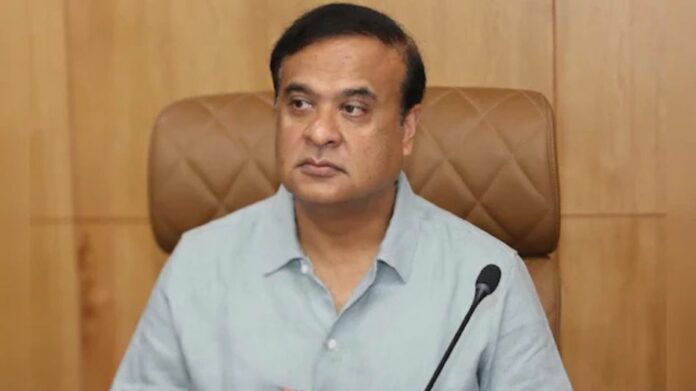
Guwahati, Jan 15: Assam Chief Minister Dr Himanta Biswa Sarma on January 15 led a series of programmes in Bilasipara, focusing on women’s economic empowerment, renewable energy development and key legislative issues during an extensive official visit.
The Chief Minister began his engagements at the INA Ground, where he distributed entrepreneurship cheques to 18,375 women from the Bilasipara Assembly constituency under the Mukhya Mantri Mahila Udyamita Abhiyan. Addressing the beneficiaries, widely known as “Lakhpati Baideus,” Dr Sarma explained the phased structure of the scheme. He said beneficiaries received ₹10,000 as seed capital in the first phase, followed by ₹25,000 in the second phase after proper utilisation of the initial assistance. He added that a third phase would provide up to ₹50,000 through grants or bank-linked loans to help women expand their enterprises.
Later in the day, Dr Sarma inaugurated a 70 MW solar power plant at Khudigaon, developed at a cost of ₹350 crore over nearly 1,000 bighas of land. He described the project as a significant step in Assam’s renewable energy journey and said it would strengthen the state’s clean energy push while helping position Assam as an emerging green power hub.
Speaking to the media in Bilasipara, the Chief Minister announced the launch of a toll-free helpline, 114, aimed at curbing polygamy. He warned that under proposed state legislation, entering into a second marriage could attract imprisonment of up to 14 years, while a third marriage could lead to a jail term of up to 21 years.
On political matters, Dr Sarma criticised the opposition, alleging that Congress leader Gaurav Gogoi had projected Rezaul Karim as a “hero” for political reasons. He also expressed concern over reports of atrocities against Hindus in Bangladesh and called for greater attention to the safety and rights of minorities in the neighbouring country.
Concluding his visit, the Chief Minister reiterated his government’s commitment to strengthening rural women’s livelihoods while accelerating Assam’s transformation in the industrial and energy sectors.
