
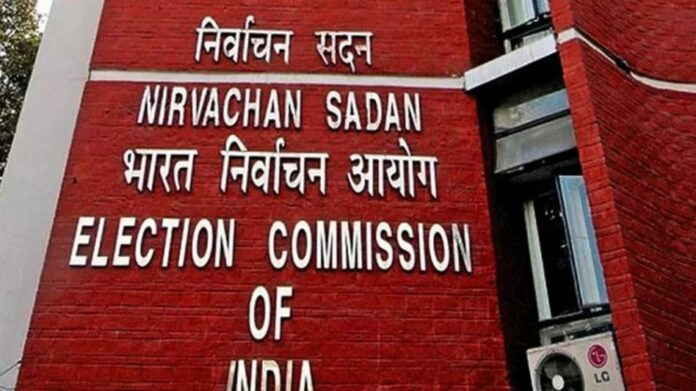
National, April 6: India’s electoral process is governed by a detailed legal framework aimed at ensuring free and fair voting, with the 48-hour “silence period” emerging as a key safeguard in the final phase before polling. Mandated under the Representation of the People Act, 1951 and enforced by the Election Commission of India, the provision bars all forms of campaigning in the last 48 hours leading up to the close of voting.
The silence period is designed to create a neutral environment in which voters can make independent choices without exposure to political messaging, inducements or pressure. It comes into effect 48 hours before polling concludes in a constituency, with Section 126 of the Act prohibiting any activity that may influence voter behaviour during this time.
The law broadly defines “election matter,” covering speeches, advertisements and any content intended to shape public opinion. This includes both direct campaigning and indirect messaging across physical and digital platforms.
Its relevance is particularly pronounced in the Assam Assembly Elections 2026, where polling is being conducted across 126 constituencies amid an intense political contest involving over two crore voters. Authorities have intensified monitoring in the final 48 hours, deploying security personnel, surveillance teams and border check-posts to regulate movement and ensure compliance.
Election officials are also conducting checks in hotels, guest houses and public accommodations to identify individuals without valid electoral roles in a constituency, aiming to prevent external influence.
During the silence period, several activities are explicitly prohibited. Public rallies, processions and political gatherings are not allowed, and candidates as well as party workers are barred from addressing voters. Election-related content across television, radio and digital platforms is restricted, including advertisements and promotional programmes. Even cultural or entertainment events with political undertones are banned, as they may indirectly influence voters.
Violations of these provisions can attract penalties, including imprisonment of up to two years, fines, or both. Given the wide scope of what constitutes “election matter,” even indirect attempts to sway voters can lead to legal action.
To further prevent last-minute mobilisation, ministers, Members of Parliament and other political leaders who are not registered voters in a constituency are required to leave the area once campaigning ends.
Authorities enforce compliance through multiple measures, including verification drives at accommodation facilities, monitoring of vehicle movement, and establishment of check-posts at district and state borders. Surveillance teams are also deployed to track suspicious activities.
Limited exemptions may be granted in exceptional cases such as medical emergencies, subject to verification and approval by election authorities.
While general news reporting is permitted during this period, election-related advertisements in electronic media are banned. Print media must follow strict disclosure norms, and political advertisements require prior certification. Public broadcasters avoid airing content featuring contesting candidates during the Model Code of Conduct period to prevent indirect campaigning.
The silence period remains a critical component of India’s electoral system, ensuring that voters are given a calm and unbiased window to make their decisions, free from last-minute persuasion.
