
Guwahati, Feb 26: Kaziranga National Park and Tiger Reserve has recorded a massive congregation of over 1,05,000 waterbirds across 107 different species during the recently concluded 7th Kaziranga Waterbird Count. The week-long scientific exercise, which spanned from January 4 to 11, covered 166 wetlands distributed across 10 ranges of the park. A diverse team of forest officials, ornithologists, students, and dedicated volunteers collaborated to document the avian population, reinforcing the park’s status as a premier destination for migratory fauna.
Among the vast flocks, the most frequently sighted species included Bar-headed Geese, Northern Pintails, and Lesser Whistling Ducks. However, the most significant discovery of this year’s census was the first-ever recorded sighting of the Smew within Kaziranga. This rare visitor represents a major milestone for the park’s biodiversity records, signaling an expansion of the documented species that frequent the region’s unique ecosystem.
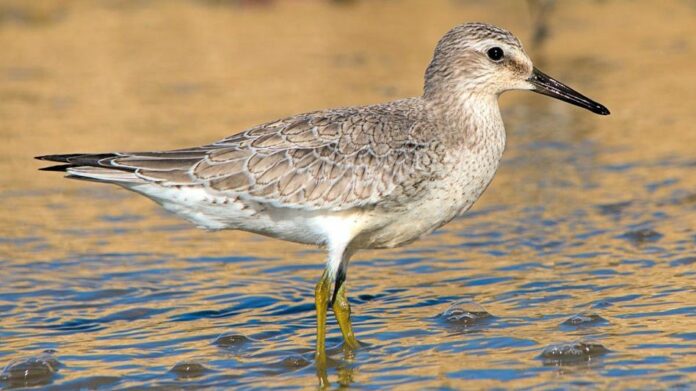
Assam Forest Minister Chandra Mohan Patowary noted that the record-breaking numbers and the appearance of rare species serve as a testament to the successful conservation initiatives implemented throughout the state. Beyond the sheer volume of birds, the survey also identified several high-priority conservation targets, including one species listed as Critically Endangered and another as Endangered according to the IUCN Red List. These findings highlight Kaziranga’s critical role in the survival of globally threatened bird populations.
The distribution of the birds across the landscape provided key ecological insights, with Rowmari Beel in Laokhowa reporting the highest individual bird count, followed closely by Donduwa Beel and the Sohola wetlands. Data indicated that while larger wetlands hosted the highest concentrations of birds, smaller seasonal wetlands were vital for supporting a greater variety of species. This nuances the understanding of how different water bodies contribute to the park’s overall biodiversity.
Since its inception in 2018-19, the waterbird count has evolved into one of the most significant ornithological surveys in the region. The exercise has benefited from corporate social responsibility (CSR) support from Numaligarh Refinery Limited for the past three years. According to park authorities, the census results emphasize the urgent need for continued protection of Kaziranga’s wetlands, which remain an indispensable wintering ground for migratory birds traveling along international flyways.
