
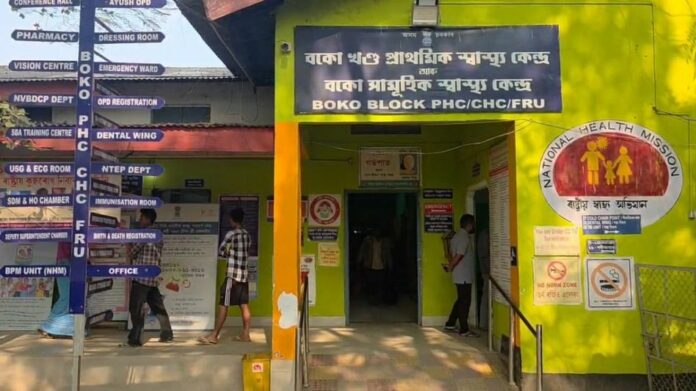
Guwahati, Feb 24: Residents across the Boko region of Assam’s Kamrup district have raised a defiant outcry against the State Excise Department, alleging a pervasive pattern of negligence and collusion regarding the rampant sale of illegal Indian Made Foreign Liquor (IMFL). Community members claim that unauthorized outlets are operating with impunity in highly sensitive zones, including the immediate vicinity of Boko hospital, bustling marketplaces, and popular tourist stopovers. The situation near the local medical facility has become particularly volatile; locals report that late-night drinking sessions frequently spiral into public brawls, shattering the peace required for emergency medical care and causing significant distress to patients and their families.
The disruption extends deep into the cultural and transit hubs of the district, with similar grievances emerging from Rajapara, a vital halt for travelers moving between Meghalaya, West Bengal, and various parts of Assam. In this area, roadside eateries and rest points are allegedly doubling as illicit liquor dens, a trend residents fear is tarnishing the region’s reputation as a safe destination for tourists. Furthermore, in Bhalukghata and Chamaria—areas home to revered Satras and sacred sites—the unabated sale of foreign liquor is being viewed as a direct assault on the spiritual sanctity and social harmony of the community, leading to a perceived erosion of the local environmental and cultural balance.
Frustration among the citizenry has curdled into serious allegations of departmental corruption. Residents from Rajapara, Bhalukghata, Chamaria, and Bamunigaon have openly questioned how such widespread operations can persist without the “managerial involvement” of Kamrup district Excise officials. A particularly bitter point of contention involves an alleged double standard: villagers claim that while indigenous communities face frequent crackdowns and harassment over traditional brewing practices, large-scale illicit IMFL—often sourced cheaply from outside the state—is allowed to flourish for profit. They further allege that whenever media attention highlights the issue, excise teams strategically target tribal villages for raids rather than dismantling the established illegal IMFL networks.
The consequences of this unregulated trade have taken a tragic toll on the community’s safety. Local observers link a rise in nighttime road accidents in the Boko area, including several resulting in fatalities and severe injuries, directly to instances of drunken driving fueled by the easy availability of bootlegged alcohol. As the “hotspots of nuisance” continue to expand into areas once reserved for healing and worship, the people of Boko are demanding immediate accountability and a cessation of what they describe as a state-sanctioned threat to public order and human life.
