
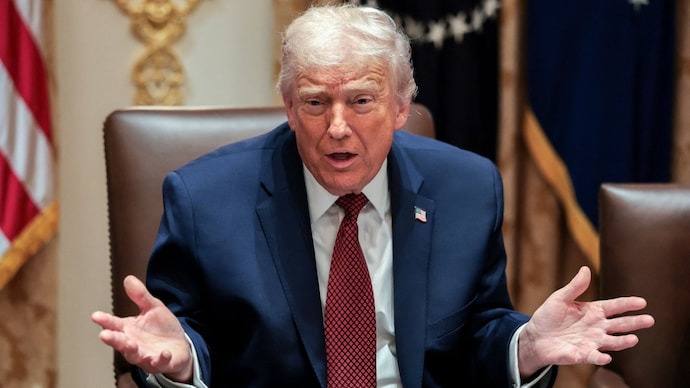
US President Donald Trump has indicated that his administration may impose fresh tariffs on agricultural imports from India and Canada, warning that he is prepared to act if negotiations with both countries fail to make progress. The remarks came during the launch of a multi-billion-dollar relief package aimed at supporting American farmers.
Addressing the gathering at the White House, Trump intensified his criticism of agricultural imports, particularly rice from India and fertiliser from Canada. He argued that foreign products were threatening the interests of US farmers and said he would use tariff measures “aggressively” to safeguard domestic producers. The administration announced a $12 billion assistance package for farmers, which Trump said would be financed through tariff revenues collected from trading partners.
The President reiterated his belief that the United States had long been exploited in global trade. He described farmers as “an indispensable national asset” and attributed the challenges faced by rural communities to “inherited inflation” and depressed commodity prices. A video clip of his comments, circulated by NDTV World, has since drawn considerable attention online.
India featured prominently in Trump’s address after a rice grower from Louisiana complained about the impact of Indian imports on US producers. On being told that Indian companies own two leading rice brands in American retail markets, Trump suggested that tariffs could resolve the issue swiftly. He also accused foreign suppliers of dumping products in the US market.
Trump further hinted that fertiliser imports from Canada may also face penalties, claiming that domestic production could replace such imports if required. He said he would not hesitate to impose “very severe tariffs” to boost American manufacturing.
Agricultural trade between India and the United States has grown significantly over the past decade. India exports basmati and non-basmati rice, spices and marine products, while the US supplies almonds, cotton and pulses. However, disagreements over subsidies, market access and recurring WTO disputes — particularly concerning rice and sugar — have frequently slowed negotiations.
A US trade delegation is expected to arrive in India next week for another round of discussions, as both countries attempt to address outstanding issues amid rising trade tensions.
