
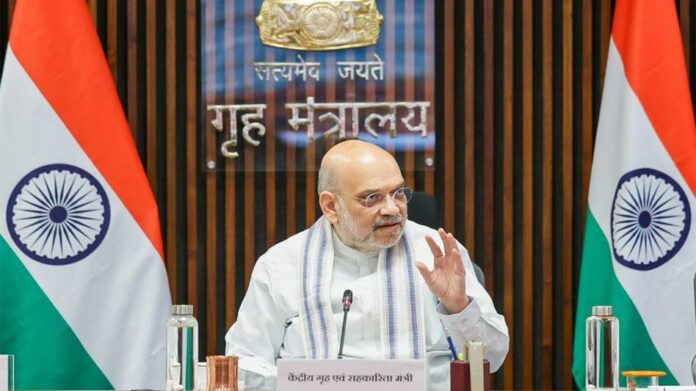
New Delhi, June 8: Union Home Minister Amit Shah is set to launch the Land Port Management System (LPMS) in the national capital on June 9, marking a major step towards digitising India’s border infrastructure and streamlining cross-border trade and passenger movement.
The technology-driven platform aims to modernise operations at land ports across the country by integrating cargo, passenger and regulatory processes into a unified digital system. Officials said the initiative is part of the Centre’s broader push for smart border management, improved security and greater efficiency in trade facilitation.
Alongside the launch, Shah will inaugurate newly developed stakeholder accommodation facilities at the Dawki Land Port in Meghalaya and the Srimantapur Land Port in Tripura, strengthening infrastructure support for personnel and stakeholders engaged in border operations.
The LPMS will function as a single digital interface enabling real-time exchange of logistics and regulatory data among government agencies and private operators. The system is expected to reduce procedural delays, enhance transparency and bring land port operations in line with the digital standards already implemented at airports and seaports.
It will also introduce end-to-end digital processing for cargo and passenger movement, including slot booking, payments, tracking and single-window clearance facilities. The platform has been integrated with national systems such as ICEGATE, the Unified Logistics Interface Platform (ULIP) and the motor vehicle ecosystem to ensure seamless coordination across agencies.
The launch holds particular significance for the Northeast, where key land ports—including Dawki in Meghalaya, Moreh in Manipur, Darranga in Assam, and Agartala, Srimantapur and Sabroom in Tripura—serve as crucial gateways for regional trade and connectivity.
The Land Ports Authority of India (LPAI), under the Ministry of Home Affairs’ Department of Border Management, currently manages 15 land ports across India’s international borders, including those along Pakistan, Nepal, Bhutan, Bangladesh and Myanmar.
Officials described the LPMS as a major milestone in India’s efforts to build a technology-enabled border management ecosystem aimed at strengthening trade, connectivity and national security while supporting long-term economic development.
