
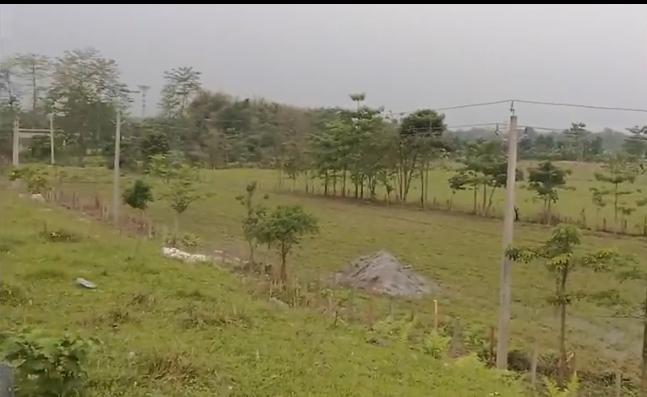
Tinsukia, April 26: Rapid urban growth is reshaping the once green stretch between Dangari and Chapakhowa in Tinsukia district, prompting concerns over the steady decline of agricultural land and the region’s ecological stability.
The corridor, long known for its paddy fields, grazing lands and dense vegetation supporting diverse flora and fauna, is increasingly being converted into residential colonies and commercial establishments. Locals say the transformation has accelerated in recent years, altering the character of what was once a predominantly rural landscape.
Residents and environmental observers have expressed apprehension over the pace of change. A local farmer noted that areas which traditionally supported cultivation and livestock are now marked by multi-storey buildings and expanding marketplaces, raising fears about the loss of both livelihoods and ecological identity.
Officials acknowledged that the conversion of agricultural land for non-farm purposes is part of a wider trend across Assam, driven by rising demand for housing and infrastructure. However, environmentalists warn that the impact is already visible in the Dangari–Chapakhowa belt.
Observers pointed to a decline in local biodiversity, with birds and small wildlife reportedly disappearing as natural habitats shrink. Concerns have also been raised about the filling of low-lying areas, which previously acted as natural drainage systems, potentially increasing the risk of waterlogging during the monsoon.
At the same time, some stakeholders have defended the expansion, arguing that development brings employment opportunities and improved civic amenities. They maintain that urban growth is necessary to meet the needs of a growing population.
Experts, however, caution that unchecked land-use change could have long-term implications for food security and environmental sustainability in this agrarian region. Calls have been made for stricter enforcement of land-use regulations and more balanced urban planning to safeguard ecologically sensitive areas of Upper Assam.
