
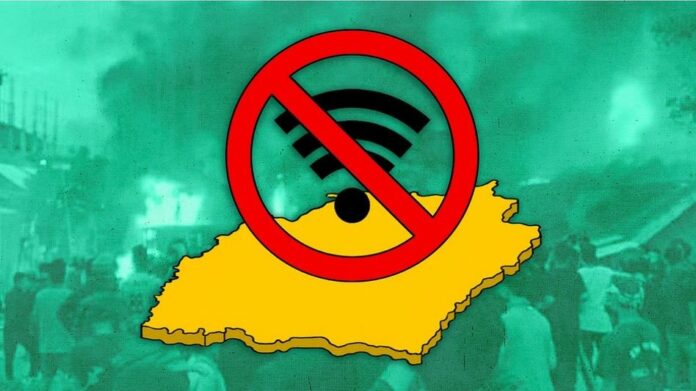
Imphal, April 12: The Manipur government has extended the suspension of mobile internet services across five valley districts for an additional two days, prolonging the shutdown until 2:00 pm on April 14, 2026, amid ongoing security concerns.
The order, issued by N. Ashok Kumar, Commissioner-cum-Secretary (Home), covers Imphal West, Imphal East, Thoubal, Kakching, and Bishnupur districts, including the state capital Imphal.
The situation stems from a deadly bomb attack in the Moirang Tronglaobi area of Bishnupur district in the early hours of April 7, in which two children were killed and their mother injured. The incident, attributed to suspected Kuki-Zo militants, triggered widespread protests, including incidents of arson such as the burning of fuel tankers.
Authorities had initially imposed a three-day suspension of mobile internet services from April 7 under the Temporary Suspension of Telecommunication Services Rules, 2024. While broadband services, including leased lines and fibre connections, were partially restored under regulated conditions, mobile internet access has remained suspended.
In its latest directive, the Home Department said the decision followed a review of the prevailing law and order situation, citing continued risks associated with the spread of misinformation and rumours through platforms such as WhatsApp, Facebook, Instagram, and X. Officials warned that such content could incite unrest, leading to potential loss of life and damage to property.
The suspension order applies to mobile data services across all networks, along with restrictions on VSAT connections and VPN usage, while landline voice services remain operational.
The affected districts represent key administrative and commercial hubs of the state, housing major government offices, hospitals, and business centres. Analysts have previously highlighted that prolonged internet shutdowns can disrupt healthcare coordination, hamper digital education, and affect businesses dependent on online services.
The move underscores the administration’s continued reliance on communication restrictions as a measure to maintain public order, even as concerns persist over the broader impact on daily life and essential services.
