
Dr. Kritika Agarwal
Traumatic experiences can profoundly affect a person’s emotional and psychological well-being. While most individuals gradually recover after frightening or life-threatening events, some continue to experience distress long after the danger has passed. This condition is known as Post-Traumatic Stress Disorder (PTSD) and is one of the most significant mental health consequences of trauma. PTSD may develop after exposure to events such as natural disasters, serious accidents, physical or sexual assault, terrorism, war, or witnessing severe injury or death. Although fear and anxiety are normal reactions to trauma, PTSD occurs when these symptoms persist and interfere with daily functioning.
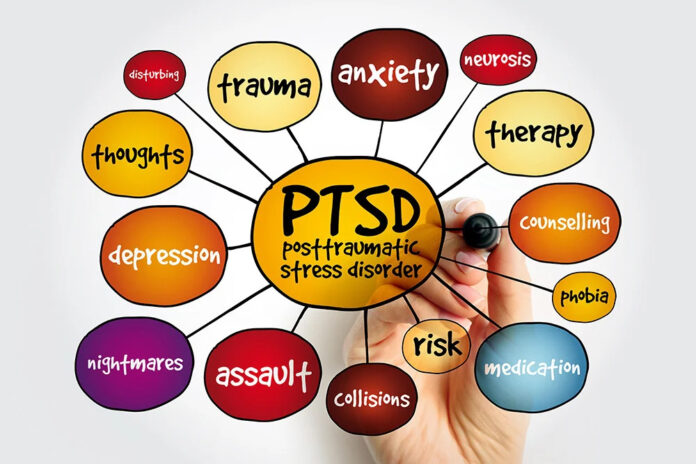
PTSD is characterized by four major symptom clusters: intrusion, avoidance, negative changes in mood and thinking, and hyperarousal. Individuals may experience recurrent memories, nightmares, flashbacks, emotional numbness, hopelessness, sleep disturbances, irritability, hypervigilance, and difficulty concentrating. Symptoms must persist for more than one month and significantly impair daily functioning.
Advances in neuroscience have shown that PTSD involves measurable changes in brain function and is not merely a psychological reaction to trauma. The amygdala, often called the brain’s alarm system, becomes overactive, leading to heightened fear responses. The prefrontal cortex, which regulates emotions and reasoning, shows reduced activity, making it harder to control fear and anxiety. The hippocampus, responsible for memory processing, may also be affected, causing traumatic memories to feel vivid and immediate. Alterations in stress-response systems further contribute to anxiety and emotional instability.
Also Read: Beyond the Wage: Building a Workforce for Viksit Bharat
PTSD is a highly treatable condition. Trauma-focused psychotherapy remains the cornerstone of treatment and helps individuals process traumatic memories, reduce avoidance behaviors, and develop healthier coping strategies. Medications may also play an important role, particularly for individuals experiencing severe anxiety, depression, intrusive memories, or sleep disturbances. While medication alone is usually not sufficient, it can help reduce symptom severity and enhance the effectiveness of psychotherapy. Treatment should always be individualized and guided by a qualified mental health professional. A combination of psychotherapy, appropriate medication when indicated, family support, and healthy lifestyle practices often provides the best outcomes. With proper treatment, many individuals experience substantial improvement and are able to return to productive and fulfilling lives.
Breaking the Stigma : PTSD is not a sign of weakness or poor coping ability. It is a medically recognized condition resulting from complex interactions between trauma, brain function, and stress responses. Increasing awareness can promote early recognition, timely treatment, and compassionate support for those affected.
PTSD demonstrates that trauma can leave lasting imprints on both the mind and the brain. With timely professional care, appropriate treatment, strong social support, and evidence-based interventions, many individuals can recover and regain a fulfilling quality of life.
(Dr. Kritika Agarwal is a MBBS, MD, DNB Psychiatry)
