
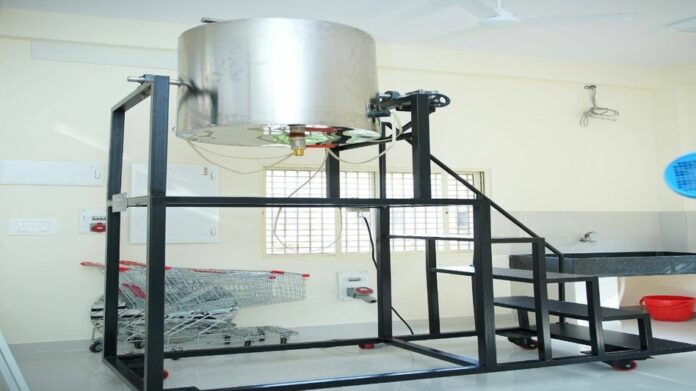
Agartala, Jan 17: The Tripura government has sanctioned an amount of Rs 1.07 crore for the establishment of a Mushroom Spawn Production Unit in West Tripura district under the Tripura Rural Livelihood Mission (TRLM), with the objective of strengthening sustainable rural livelihoods and expanding mushroom cultivation in the state.
At present, mushroom growers associated with TRLM, widely known as didis, depend on spawn procured from outside Tripura, a process that often leads to higher input costs and delays in production. Officials said the proposed unit will address this challenge by enabling in-state production of quality mushroom spawn, reducing dependency on external suppliers and improving timely availability for growers.
Once operational, the locally produced spawn will be supplied to interested didis at affordable rates, which is expected to lower cultivation costs, enhance production capacity and increase income opportunities for rural households. The initiative is also expected to provide a significant boost to mushroom-based livelihood activities across West Tripura.
As part of preparatory efforts, a delegation of TRLM officials recently visited Solan in Himachal Pradesh, a nationally recognised hub for mushroom research and spawn production. The visit focused on understanding proven technologies, best practices and operational frameworks, which will be adapted to Tripura’s local agro-climatic conditions.
Officials explained that a mushroom spawn production unit is a specialised and highly controlled facility where the seed essential for mushroom cultivation is produced through processes such as preparation of mother culture, sterilisation of substrates, inoculation and incubation under strict hygienic conditions. The proposed unit will be equipped with dedicated infrastructure, reliable power backup and trained personnel to ensure consistent quality and prevent contamination.
The government believes the project will play a crucial role in expanding mushroom cultivation, promoting women-led enterprises and strengthening Tripura’s agri-livelihood ecosystem by creating a more self-reliant and sustainable production chain.
