
GuUWAHATI, April 21: new scientific study has raised concerns over the effectiveness of Anti-Depredation Squads (ADS) in Assam, indicating that the widely used strategy to manage human-elephant conflict may be linked to an increase in elephant mortality.
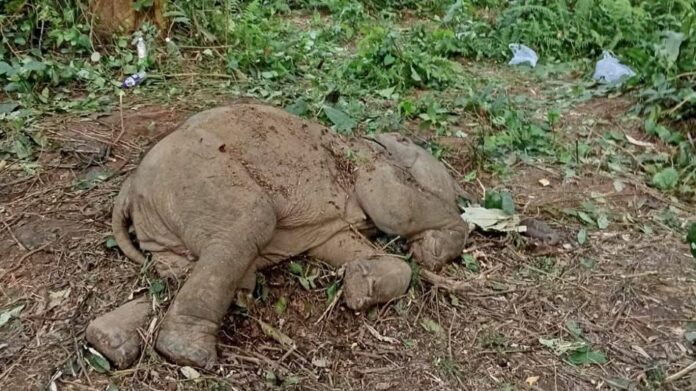
The findings come against the backdrop of the recent death of a baby elephant, Lakhimani, in the Doomdooma Forest Division of Tinsukia district, underscoring escalating tensions in key elephant corridors.
Published in the journal Conservation Biology on January 7, 2026, the peer-reviewed study titled Effects of organised guarding on mortality from human–elephant conflict in northeast India is based on a 20-year dataset from 1999 to 2018 in Sonitpur district. The research was led by conservation scientist Nitin Sekar in collaboration with the Indian Statistical Institute and other institutions.
The study analysed the role of organised village squads that drive elephants away from croplands using lights, noise and coordinated action. Contrary to expectations, it found that elephant deaths in areas with such squads were two to nearly three times higher than in areas without them. Most fatalities were accidental, resulting from electrocution through temporary fencing or injuries sustained during chaotic chases rather than direct human retaliation.
Researchers also observed that repeated disturbances may reduce elephants’ natural vigilance, increasing their vulnerability during encounters. Despite the intervention, the study found no conclusive evidence that ADS significantly reduced human fatalities, although there may be some benefit in terms of crop protection.
The ADS model, introduced in the early 2000s with support from WWF-India and the state forest department, has long been viewed as a community-led and relatively humane approach to conflict mitigation. However, the latest findings suggest the need for a reassessment of its impact.
While the increase in elephant mortality is relatively small in absolute terms—estimated at roughly one additional death per year in the study area—the research highlights broader ecological implications. The authors have called for evidence-based policy interventions and more rigorous evaluation of existing strategies to ensure a balance between human safety and wildlife conservation.
