
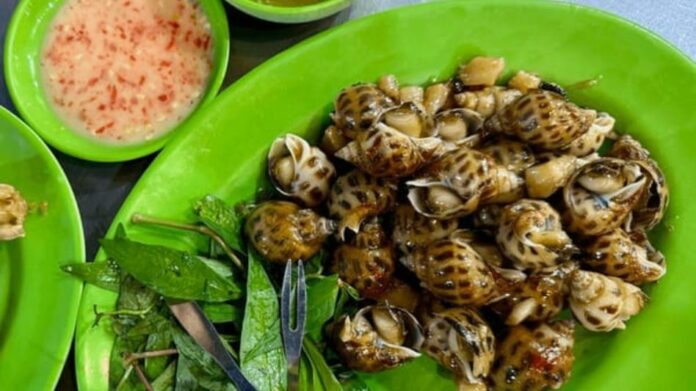
Imphal, April 24: A traditional delicacy from Manipur made with freshwater snails is drawing attention from researchers as a potential low-cost and sustainable source of protein, according to a study by Manipur University.
The research focuses on tharoi thongba, a locally prepared snail-based curry that forms part of the region’s long-standing food traditions. Typically consumed with rice, the dish combines nutritional value with established indigenous preparation methods designed to ensure safety. The study surveyed 500 individuals across ten locations and found that while the practice of consuming snails remains culturally significant, its frequency has declined over time.
Respondents cited taste and perceived health benefits as primary reasons for consuming the dish, with most expressing confidence in traditional cooking techniques that involve thorough cleaning and proper preparation. The research also highlights the role of women vendors in sustaining the trade, particularly in prominent markets such as Ima Keithel and Waithou.
Despite consistent demand, the sector remains largely informal and faces structural challenges, including seasonal availability of snails, lack of storage infrastructure and price volatility. Researchers noted that freshwater snails, commonly found in paddy fields and wetlands, require minimal resources for harvesting, making them an environmentally viable alternative to conventional protein sources like meat and poultry.
The study also points to shifting dietary habits, with increased consumption of processed foods contributing to a gradual decline in traditional practices. However, a majority of respondents supported efforts to promote snail-based foods, with researchers calling for policy support, further scientific study and improved documentation.
Beyond its nutritional relevance, the dish carries cultural significance and features in local traditions and festivals such as Cheiraoba. Researchers emphasised that preserving such food practices could play a role in strengthening sustainable and resilient food systems.
