
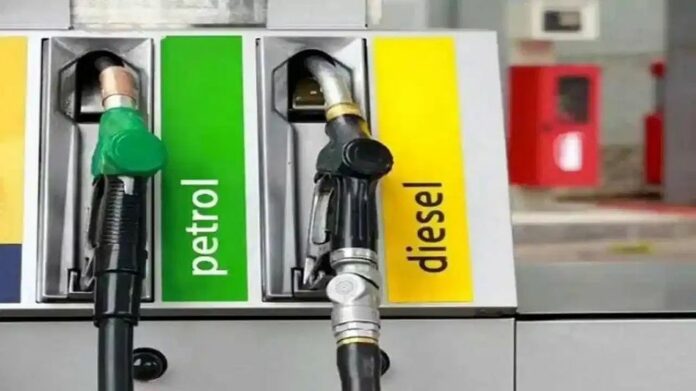
Delhi, May 15: Residents in Delhi expressed growing concern over inflation and rising household expenses after petrol and diesel prices were increased by Rs 3 per litre across the country on May 15 amid continuing tensions in West Asia and disruptions linked to the Strait of Hormuz crisis.
Oil marketing companies announced the hike in petrol and diesel prices, leading to increased fuel rates across major metro cities. In Delhi, petrol prices rose from Rs 94.77 to Rs 97.77 per litre, while diesel prices climbed to Rs 90.67 per litre.
The latest revision comes against the backdrop of volatility in global crude oil markets triggered by the ongoing conflict involving the United States, Israel and Iran, which has affected shipping movement through the Strait of Hormuz — one of the world’s most critical oil transit corridors.
Apart from petrol and diesel, compressed natural gas prices were also revised upward. In the Delhi-NCR region, CNG prices increased by Rs 2 per kilogram, taking the rate to Rs 79.09 per kg. Similar hikes were recorded in the Mumbai Metropolitan Region, where Mahanagar Gas Limited raised CNG prices to Rs 84 per kg.
The increase in CNG prices is expected to directly impact public transport and daily commuters, particularly in metropolitan cities where a large number of buses, taxis and autorickshaws operate on CNG. Transport unions in several cities have already started demanding fare revisions following the fuel price increase.
At a fuel station in Dhaula Kuan, residents voiced frustration over the mounting cost of living and transportation.
“It is making a big difference. It should be cheaper. We are not even getting enough fare. Customers are not willing to pay that much fare either. Inflation is rising. CNG and petrol should be cheaper,” one consumer said.
Another commuter said even small increases in fuel prices eventually push up the cost of essential goods and services.
“Rs 2 increase will lead to many other price hikes. Some people will use the Rs 2 hike as an excuse to raise the prices of their goods by Rs 10. Rates will go up. The entire burden will fall on the public,” the commuter remarked.
Several residents said the fresh hike would place additional strain on households already grappling with rising prices of daily necessities.
“Already inflation is high and now with the fuel price hike, I don’t know how we will manage. Rates of everything will increase now,” another resident said.
A commuter identified as Amrik Singh Bhatia linked the increase directly to the geopolitical situation in West Asia.
“Price of other commodities will also increase after the hike in petrol and diesel prices. Transportation cost will increase. There’s war going on… rates are increasing across the world. People here are also facing the brunt,” he said.
Officials maintained that the domestic fuel price revision remains lower than the actual increase in international crude oil and gas prices, with the government absorbing part of the burden to reduce the impact on consumers.
Meanwhile, the Centre has repeatedly assured citizens that India is not facing any fuel shortage despite disruptions in global energy supply chains. Oil Secretary Neeraj Mittal recently stated that the country currently maintains around 60 days of fuel stocks and nearly 45 days of LPG inventories.
“There is no need to panic. There are sufficient supplies. There is no rationing in place. It’s not going to happen,” Mittal said during the Confederation of Indian Industry Annual Business Summit.
