
Dr. Vijay Garg
The intense heatwaves sweeping across India’s cities are exposing a serious flaw in the way urban development has been pursued over the past few decades. While metropolitan areas have expanded rapidly with towering buildings, wider roads, shopping complexes and modern infrastructure, the human and environmental dimensions of urban planning have often been neglected. As temperatures soar beyond 45 degrees Celsius in many regions, the consequences of this imbalance are becoming increasingly visible in the form of health crises, water shortages, power disruptions and declining quality of life. Traditionally, nights offered relief from the scorching heat of summer. However, in many cities, that natural cooling cycle is breaking down. The phenomenon known as the “Urban Heat Island” effect has transformed urban landscapes into heat traps. Large expanses of concrete, asphalt and glass absorb solar radiation throughout the day and release it slowly after sunset. As a result, urban temperatures remain significantly higher than those in surrounding rural areas, making nights uncomfortable and depriving residents of much-needed rest. The implications of this trend go far beyond discomfort. Medical experts and public health agencies have repeatedly warned about the dangers of prolonged exposure to heat and sleep deprivation. Inadequate sleep disrupts the body’s natural recovery processes, weakens immunity and increases stress levels. When high temperatures persist for days or weeks, the human body struggles to regulate itself effectively, making people more vulnerable to heat-related illnesses, dehydration, cardiovascular problems and other serious health conditions.
Hospitals across major cities frequently report a rise in heatstroke cases, elevated blood pressure, kidney-related ailments and exhaustion during peak summer months. The risks become even greater when heatwaves coincide with power outages and water shortages. Without electricity, cooling systems fail, water pumps stop functioning and households are left struggling to cope with extreme weather conditions. For millions of urban residents, particularly those living in densely populated neighbourhoods and small apartments, survival itself becomes a daily challenge. Equally concerning is the impact of rising temperatures on mental health. Scientists have increasingly linked extreme heat to anxiety, irritability, depression and emotional stress. Lack of sleep further aggravates these conditions, reducing concentration, productivity and overall well-being. Mental health professionals have observed growing instances of stress-related disorders during prolonged heat events, highlighting the fact that climate-related challenges are not merely environmental issues but also public health concerns.
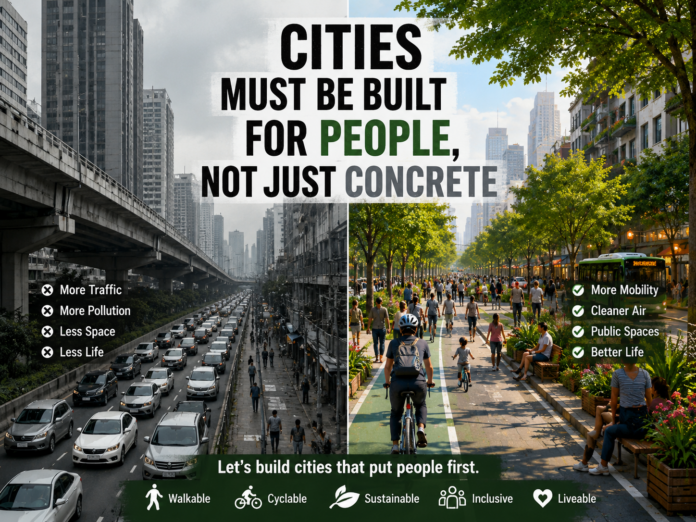
The crisis also exposes weaknesses in urban infrastructure. Electricity grids in many cities are struggling to meet soaring demand as households and businesses rely heavily on air conditioners and cooling devices. Overloaded transformers, power failures and damaged distribution networks have become common occurrences during summer. At the same time, shrinking water resources have forced residents in many localities to depend on tankers and emergency supplies, leading to frequent disputes and hardships. Addressing these challenges requires a fundamental shift in urban planning priorities. Cities of the future must be designed not only for economic growth but also for environmental sustainability and human well-being. Expanding green cover through parks, urban forests and tree-lined streets can significantly reduce temperatures and improve air quality. Protecting water bodies and restoring natural drainage systems can help regulate local climates while strengthening water security.
Innovative measures such as reflective or “cool” roofs, energy-efficient buildings and climate-sensitive construction practices should become standard features of urban development. Strengthening power infrastructure through renewable energy integration, particularly solar energy, can reduce pressure on conventional grids during peak demand periods. Local administrations can also explore practical cooling strategies, including nighttime water spraying in heat-prone zones and the creation of community cooling centres. The lesson from today’s heat crisis is clear. Infrastructure can no longer be measured solely by the number of flyovers, skyscrapers or commercial complexes a city possesses. True development must place equal emphasis on environmental resilience, public health and quality of life. In an era defined by climate change, cities must evolve into spaces that are not only modern and efficient but also green, sustainable and humane. Only then can urban centres remain livable for future generations.
(Dr. Vijay Garg is a Retired Principal, Malout Punjab. E-mail: vkmalout@gmail.com )
