
Ankuran Phukan
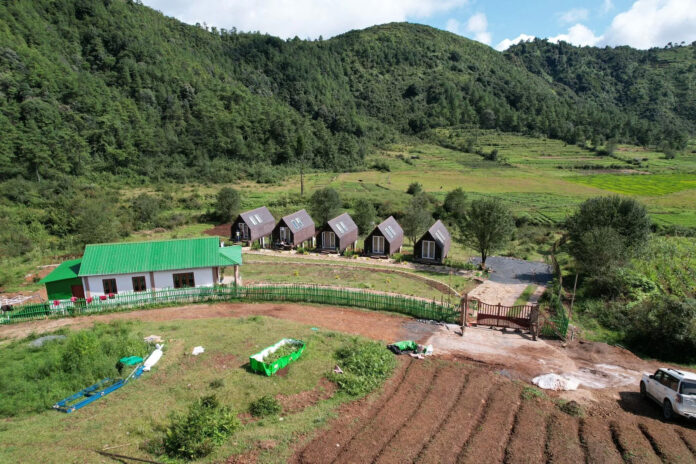
As tourist arrivals continue to grow across Meghalaya, the state has adopted a development model that challenges the conventional approach to tourism expansion. While many destinations respond to rising visitor numbers with large-scale hotel projects and extensive infrastructure development, Meghalaya has chosen a path that prioritizes environmental sustainability, cultural authenticity, and community participation. The state’s tourism strategy has increasingly centered on homestays rather than conventional hotels. This decision reflects a conscious effort to protect Meghalaya’s fragile ecological landscape from excessive construction while ensuring that tourism-generated income reaches local communities. By encouraging families to open their homes to visitors, the government has created a model that combines economic opportunity with environmental responsibility. The homestay experience offers something that large commercial establishments often struggle to provide—personal interaction, cultural immersion, and genuine hospitality. Visitors are able to engage directly with local traditions, lifestyles, and cuisines, creating a richer and more meaningful travel experience.
Officials from Meghalaya Tourism say that the rapid rise in tourist footfalls had begun to place pressure on accommodation facilities in several popular destinations. Instead of relying solely on large hotel chains to bridge the gap between demand and supply, the government recognized the potential of local households to become active participants in the tourism economy. This vision took concrete shape in September 2023 with the launch of the Meghalaya Tourism Homestay Scheme, implemented in partnership with the Prime Minister’s Employment Generation Programme (PMEGP). The initiative offers substantial financial support for aspiring entrepreneurs. Under the scheme, projects costing up to Rs 10 lakh can receive assistance covering as much as 70 per cent of the total investment. The support package combines a 35 per cent subsidy from PMEGP with an additional 35 per cent contribution from the state Tourism Department. The response from the public was immediate and encouraging. Nearly 900 applications received approval under the programme. As a result, more than 490 homestays have already become operational across the state, adding around 1,000 rooms to Meghalaya’s tourism infrastructure. The initiative has also generated approximately 1,500 livelihood opportunities, demonstrating how tourism can directly contribute to rural economic development.
For many residents, the scheme has opened doors that previously seemed beyond reach. Beneficiaries such as Daminot Kharshandi from Ri Bhoi district have successfully transformed their entrepreneurial aspirations into thriving businesses. With financial support from the government, he was able to establish and subsequently expand his homestay venture, creating a sustainable source of income for his family. Similar stories can be found throughout the state. Donny Esmond Rapsang’s Friendship Homestay in Umden Umsaitprah, Umroi, illustrates how community-based tourism can create benefits beyond individual households. Established in 2025 with government assistance, the homestay has not only strengthened his family’s economic position but has also provided employment opportunities to local youth during both construction and operational phases. According to Chief Minister Conrad K. Sangma, homestays are a crucial component of a broader tourism ecosystem that includes transport operators, food vendors, local guides, artisans, and small businesses. The objective is to ensure that tourism revenue is distributed across communities rather than concentrated among a few large enterprises.
The government’s commitment to this model became even more evident with the launch of the Chief Minister’s Meghalaya Homestay Mission in September 2025. Building on the success of the earlier programme, the mission aims to establish 3,000 additional homestays and create around 15,000 direct and indirect employment opportunities by 2028. Recognition of Meghalaya’s tourism potential has also come at the national level. In April 2026, NITI Aayog, in its report Divya Bharat: A Window to the Soul of India, identified Meghalaya as one of the few destinations in the country that attracts visitors throughout the year. The report highlighted the state’s unique attractions, including its famous living root bridges, extensive cave networks, and vibrant indigenous cultural heritage.
The growing importance of homestays is expected to be further demonstrated during the upcoming 39th National Games. Meghalaya plans to accommodate a significant number of visitors through homestays rather than relying entirely on conventional Games Villages. This approach will place local families at the heart of one of the country’s major sporting events. Meghalaya’s experience offers an important lesson in sustainable tourism development. By balancing economic growth with environmental conservation and community empowerment, the state is proving that tourism can thrive without sacrificing the very natural and cultural assets that make a destination special. As visitor numbers continue to rise, Meghalaya’s homestay-driven model may well become an example for other tourism-dependent regions across India.
(Email: ankuran_phukan0@gmail.com)
