
Pranjal Baruah
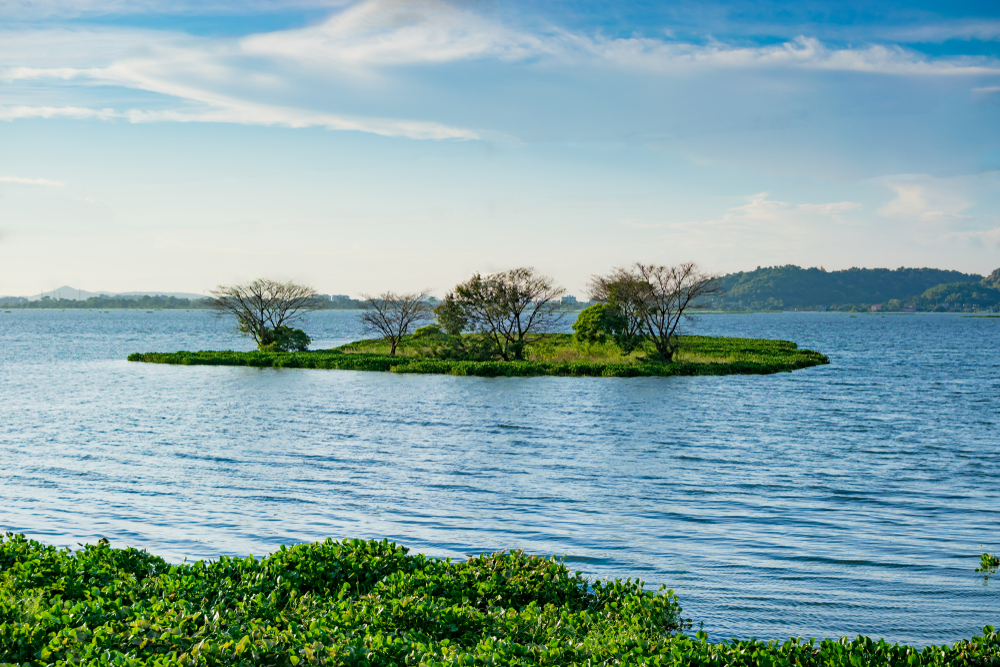
The ongoing construction of an elevated railway corridor near Deepor Beel has reignited a familiar debate in Assam: how should development be balanced with environmental conservation? The proposed 4.7-kilometre corridor aims to address a serious concern—the recurring deaths of elephants in train accidents along the railway track that passes through a crucial wildlife corridor. Saving elephant lives is undoubtedly a worthy objective. However, the manner in which the project is being executed has raised significant concerns among environmentalists and citizens alike. Deepor Beel is not just another wetland. Recognized as a Ramsar site of international importance, it is a biodiversity hotspot and an ecological lifeline for Guwahati. The wetland supports numerous species of birds, fish, reptiles, and mammals while also functioning as a natural flood-control system and a vital green lung for the rapidly expanding city. Any intervention in and around this fragile ecosystem therefore demands the highest degree of environmental sensitivity.
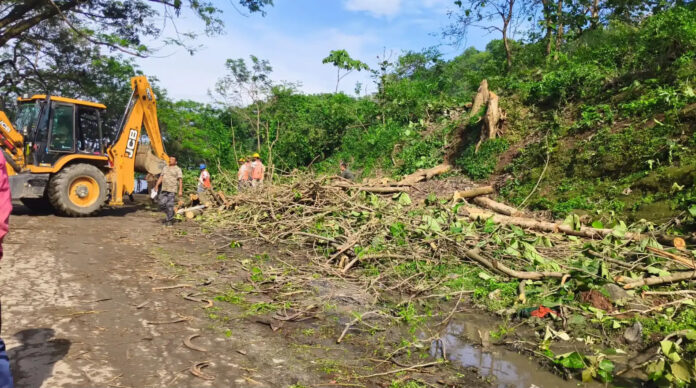
The controversy stems from reports of large-scale tree felling and the destruction of vegetation within the wetland’s buffer zone. While authorities maintain that the railway project is essential for reducing elephant fatalities, critics argue that the loss of green cover and habitat fragmentation may create long-term ecological damage. The concern is not merely about the number of trees being cut but about the cumulative impact on an ecosystem that has already been under pressure from urban expansion, encroachment, pollution, and unplanned development. Questions have also been raised regarding compliance with environmental safeguards. Conservationists point out that project approvals reportedly included provisions for exploring tree transplantation and minimizing felling wherever possible. The perceived gap between these conditions and the reality on the ground has fuelled public skepticism and intensified calls for greater transparency.
The issue highlights a broader challenge facing modern societies. Development projects are often presented as choices between economic progress and environmental protection. In reality, sustainable development requires both. Infrastructure that protects wildlife should not come at the cost of degrading the very habitats that wildlife depends upon. The objective should be to find solutions that minimize environmental impact while addressing genuine developmental needs. The silence of many public figures and institutions on the issue has also attracted attention. Environmental movements often gain momentum when citizens, experts, policymakers, and cultural icons come together to advocate for responsible action. Public participation and informed debate are essential in ensuring that development projects remain accountable and environmentally sustainable.
No one disputes the need to prevent elephant deaths on railway tracks. Human-wildlife conflict is a serious issue that demands urgent intervention. However, conservation cannot be reduced to saving individual animals while weakening the ecosystems that sustain them. The success of the railway corridor should ultimately be measured not only by fewer train accidents but also by the preservation of Deepor Beel’s ecological integrity. As Guwahati continues to grow, Deepor Beel stands as a reminder that nature is not an obstacle to development but a foundation of it. The challenge before policymakers is to prove that progress and conservation can coexist. If that balance is lost, the city risks sacrificing an irreplaceable natural heritage in the name of development. (9957069645)
