
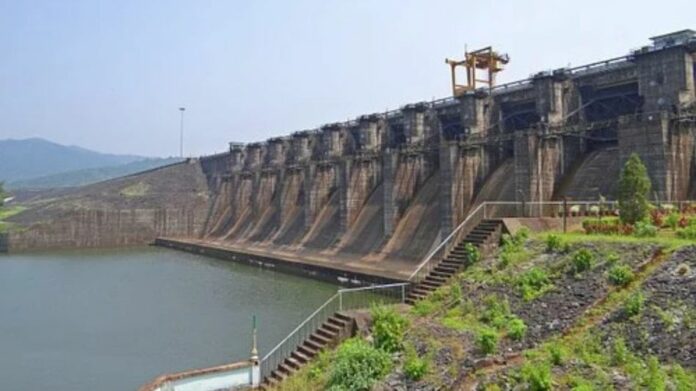
Itanagar, Jan 9: The Public Investment Board (PIB) on January 8 approved an expenditure of Rs 26,069.50 crore for the proposed 1,720 MW Kamala hydroelectric project in Arunachal Pradesh, sources said.
Once commissioned, the storage-based project is expected to generate 6,869.92 million units of green energy annually, significantly contributing to India’s energy transition and the Centre’s Net Zero emissions target by 2070.
The Kamala hydroelectric project will be developed on the Kamala River, a major tributary of the Subansiri, and will span Kamle, Kra Daadi and Kurung Kumey districts of Arunachal Pradesh. The project includes the construction of a 216-metre-high concrete gravity dam and an underground powerhouse, with an estimated completion period of eight years.
Apart from power generation, the project will have an integrated flood moderation component and is expected to provide downstream flood relief in the Brahmaputra valley during peak monsoon seasons.
The project will be implemented under the Build-Own-Operate-Transfer (BOOT) model through a joint venture, with NHPC holding a 74 per cent equity stake and the Government of Arunachal Pradesh the remaining 26 per cent. The total project cost includes interest during construction and financing charges amounting to Rs 4,815.64 crore.
Financing has been structured with a debt-equity ratio of 70:30. The project will receive Government of India grants of Rs 1,340 crore for enabling infrastructure and Rs 4,743.98 crore for the flood moderation component. The Arunachal Pradesh government will also provide 100 per cent reimbursement of state GST. Based on these provisions, the levelised tariff of the project has been estimated at Rs 5.97 per unit.
The project is expected to bring multiple benefits, including 12 per cent free power to the Arunachal Pradesh government valued at around Rs 486 crore annually, a contribution of Rs 40 crore per year to the Local Area Development Fund, and enhanced flood management in the Brahmaputra basin. It is also projected to generate around 300 direct jobs and nearly 2,500 contract jobs during the peak construction phase.
Sources added that the state government is expected to earn a first-year return of about Rs 127 crore on the Rs 750 crore Central Financial Assistance included in its equity contribution.
Meanwhile, sources also said the Union Ministry of Power has given in-principle approval for an expenditure of Rs 3,000 crore to establish testing facilities across the country.
