
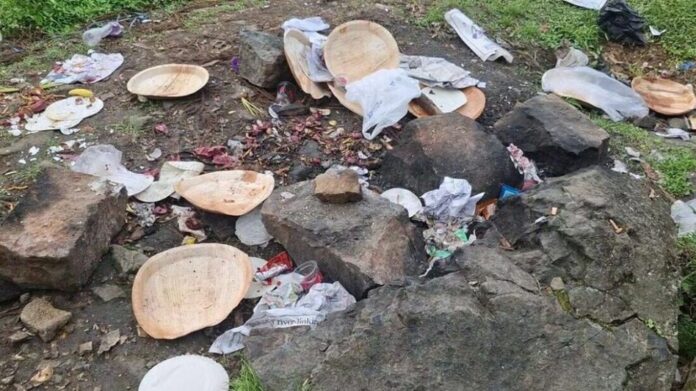
The Dima Hasao district administration has prohibited cooking and food preparation along roadsides, viewpoints, lay-bys, open spaces and other public places across the district, citing concerns over environmental damage, public safety and fire hazards.
The order was issued by Dima Hasao District Magistrate and District Road Safety Committee Chairperson Gayatri Devdas Hailing under Section 163 of the Bharatiya Nagarik Suraksha Sanhita (BNSS), 2023.
The restrictions cover the use of LPG cylinders, kerosene and coal stoves, firewood, barbecue grills and other cooking equipment for preparing or heating food at the prohibited locations. The ban will particularly apply to the Mandardisa-Harangajao stretch of National Highway 27 and the Mahur-Hangkram stretch of National Highway 137, besides other public roads and locations across the district.
According to the administration, roadside cooking by tourists and visitors has contributed to increased littering, with food waste, plastic, bottles, disposable plates and packaging material frequently being discarded in public spaces. Officials said the practice has polluted the surroundings, inconvenienced the public and, in some instances, obstructed vehicular movement.
The administration also pointed out that food waste left along roads attracts animals towards highways, potentially increasing risks for motorists and pedestrians. The accumulation of waste has further affected the natural beauty and fragile environment of Dima Hasao.
The order prohibits indiscriminate dumping of waste along roads and other public places and directs tourists and visitors to carry their waste with them and dispose of it only at authorised collection points or designated dustbins. Consumption of alcohol in public places has also been prohibited.
However, cooking will continue to be permitted at designated picnic spots and other locations approved by the competent authorities or the North Cachar Hills Autonomous Council, provided adequate waste-management and fire-safety arrangements are in place.
Executive magistrates, police, transport, forest, tourism, Public Works, excise departments and other concerned local authorities have been instructed to maintain surveillance and ensure strict enforcement of the order.
The administration warned that violations could invite legal action under applicable laws. The order has come into immediate effect and will remain in force until further orders.
